A cabin near Island Park, a rental in Teton Valley, a family place up by Ashton — these properties spend their winters sitting empty in some of the coldest air in Idaho. And an empty building in deep cold is exactly where plumbing trouble likes to start. The water that keeps a line flowing when you're there is the same water that can freeze solid when you're not. A little prep before you lock up for the season saves you the call that starts with "the cabin's flooded and nobody's been there in two months." Here's a practical checklist, plus where a crew like ours fits in.
The risk in plain terms
Two things go wrong at a seasonal property in winter, and they're related. First, water left sitting in pipes can freeze, expand, and split a line — then thaw and pour into the building while no one's watching. Second, the drain and sewer lines that carry water away can freeze too, especially long runs and septic lines buried in ground that never gets the warmth of a lived-in house above it. Both are far cheaper to prevent than to clean up.
Before you lock up for the season
Most of this is straightforward homeowner work you can do in an afternoon:
- Shut off the main water supply and open faucets to drain the lines. No water sitting in the pipes means nothing to freeze and burst.
- Drain the water heater and any holding tanks per the manufacturer's instructions, and don't forget outdoor spigots and hose bibs.
- Pour RV-style antifreeze into drain traps and toilets so the small amount of water that always sits in a P-trap can't freeze and crack the fixture. (Use plumbing/RV antifreeze, never automotive.)
- Open cabinet doors under sinks if you're leaving any heat on, so what warmth there is reaches the pipes against exterior walls.
- Leave the heat set low rather than fully off if the property has power — even 55°F keeps the building envelope from reaching the worst of the cold.
Don't forget the septic system
If your cabin runs on a septic system — and most properties out toward Island Park, Ashton, and the valleys do — winter is worth a little planning. A tank that's overdue going into a long cold stretch is a tank you don't want to deal with when the access lid is under three feet of snow. If you're near the 3-to-5-year mark on pumping, doing it in the fall before you close up is far easier than digging it out mid-winter. Our septic services page covers what that visit looks like.
When a line freezes anyway
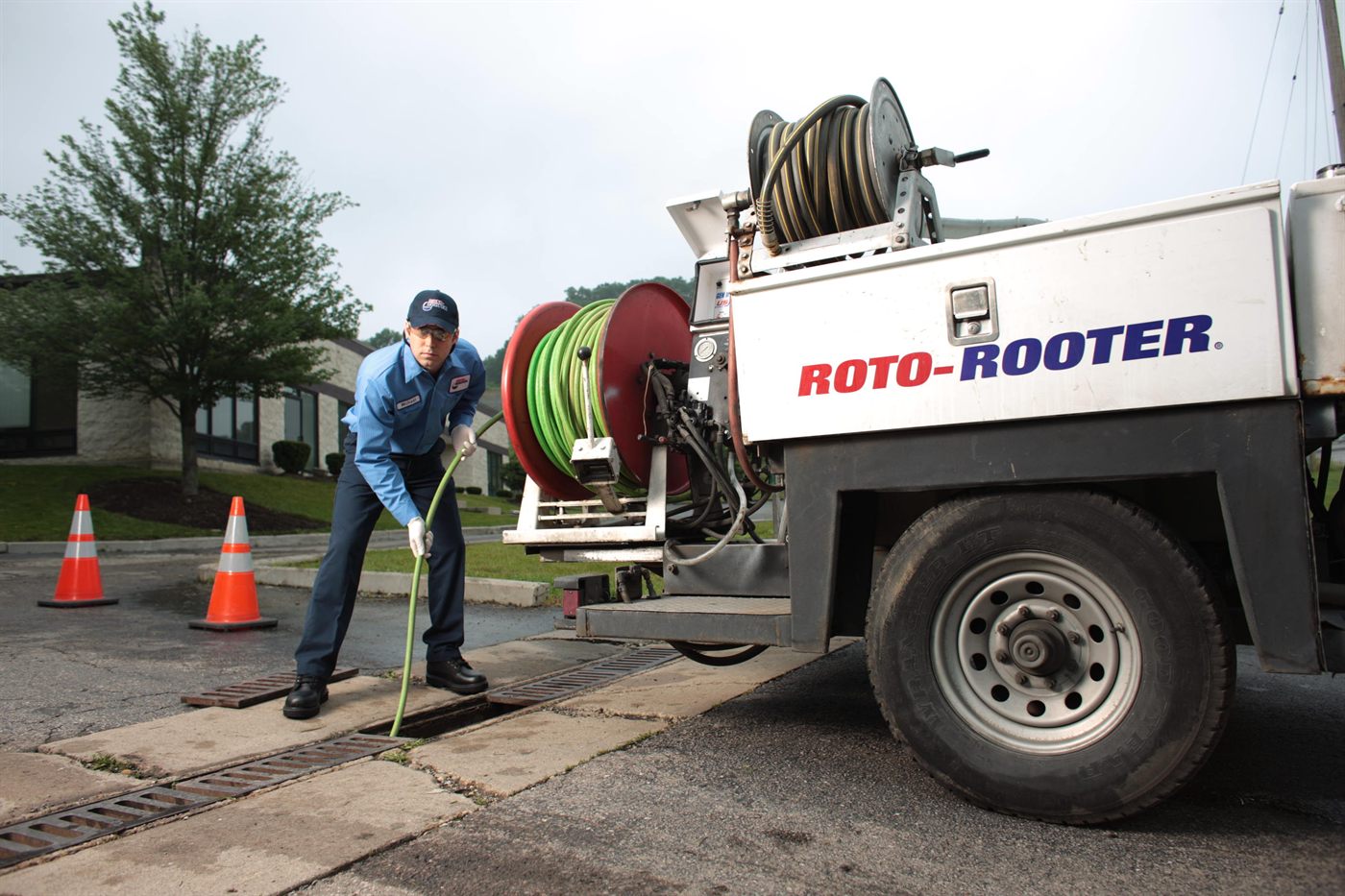
Even with good prep, a hard cold snap can freeze a sewer or drain line — we've cleared them in deep snow more than once. The good news: you usually don't have to dig up frozen ground to fix it. Most people think of a hydro jetter as the tool for stubborn clogs, but the hot water it pushes is also one of the fastest ways to thaw a frozen line. We stretch the hose from the truck, run hot water through the line, and get things flowing again — no excavation, no waiting for spring.
If you arrive at the cabin to no drainage, a backed-up fixture, or the smell of a sewer that isn't moving, don't keep running water into it — you'll only add to the backup. Call us, and we'll figure out whether it's a freeze or a clog before anything gets worse.
Coming back in the spring
When you reopen the property, take it slow. Turn the main water back on and walk the place listening and looking for leaks at every fixture and under every sink — a line that split over the winter often doesn't show itself until the water's back on and pressurized. Run each drain and watch that it carries water away cleanly. If a drain is sluggish or a sewer line is slow after a long cold winter, it's worth a quick look before it becomes a backup during your first weekend back.
The bottom line
Winterizing a seasonal property is mostly about removing the water that can freeze and making sure your septic and sewer lines start the winter in good shape. Do the prep before you lock up, keep our number handy in case a line freezes anyway, and you'll spend your winter thinking about anything but the plumbing.
We serve seasonal properties across all seven Eastern Idaho counties — including Island Park, Ashton, St. Anthony, Driggs, Victor, and the rest of the region. Closing up for the season or thawing out a frozen line, call (208) 523-4212 or visit our septic and hydro jetting pages.